History of the hotel

Lichtenberg Palace

Gehrdt de Lichtenberg

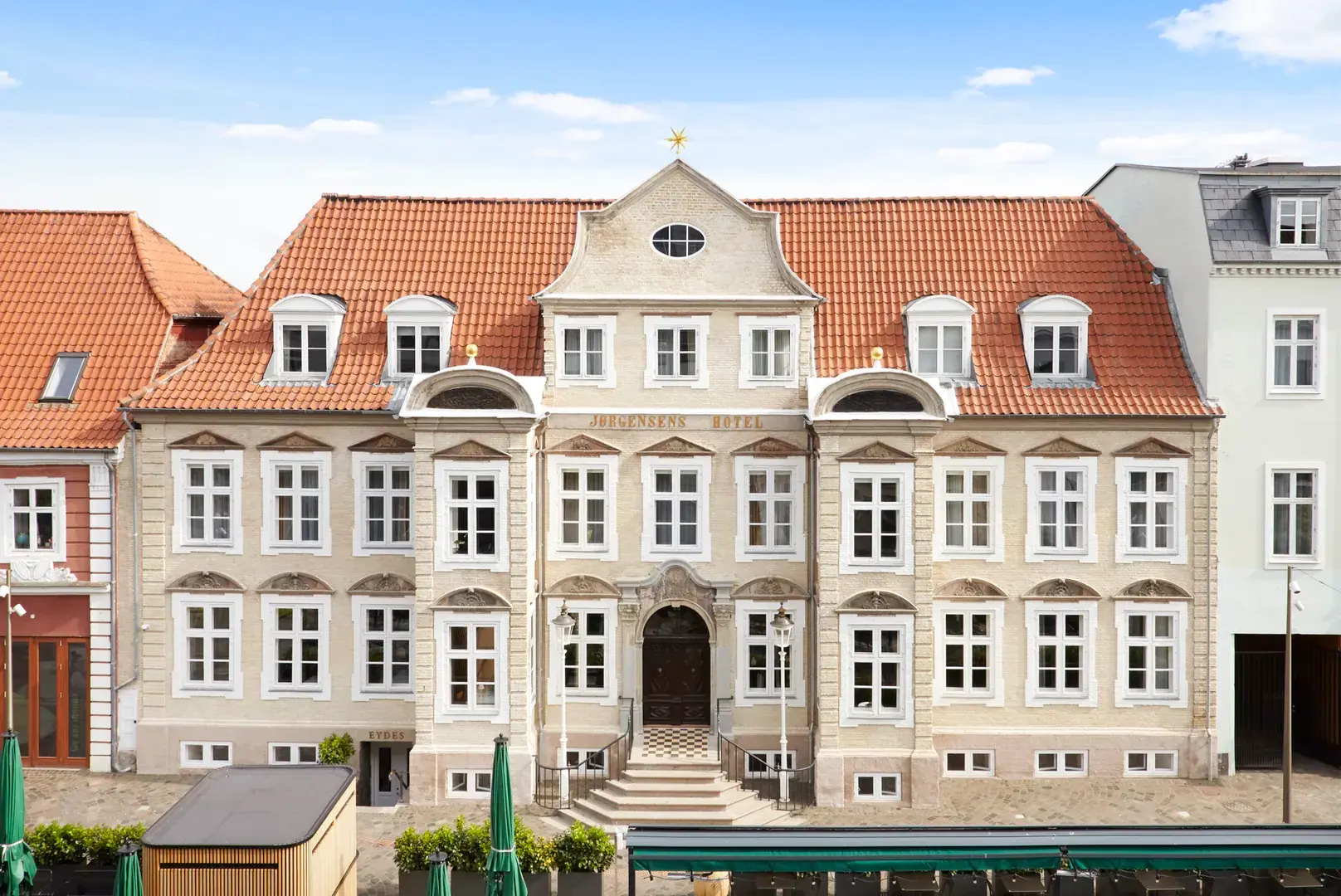
Lichtenberg Palace, which is today Jørgensens Hotel, was built by Horsen’s great businessman Gerhdt de Lichtenberg. In 1697, Gehrdt was born as Hansen into a wealthy merchant family and after completing his education, he took over the merchant business at Søndergade 17 from his father and grandfather. He assumed his mother’s name, Lichtenberg, and became Gerhdt de Lichtenberg. Lichtenberg had great success as a merchant, landowner, producer and money lender, and in 1744 he converted the merchant’s farm in Horsens to the baroque mansion that it is today.

Explore the History of

Success and wealth

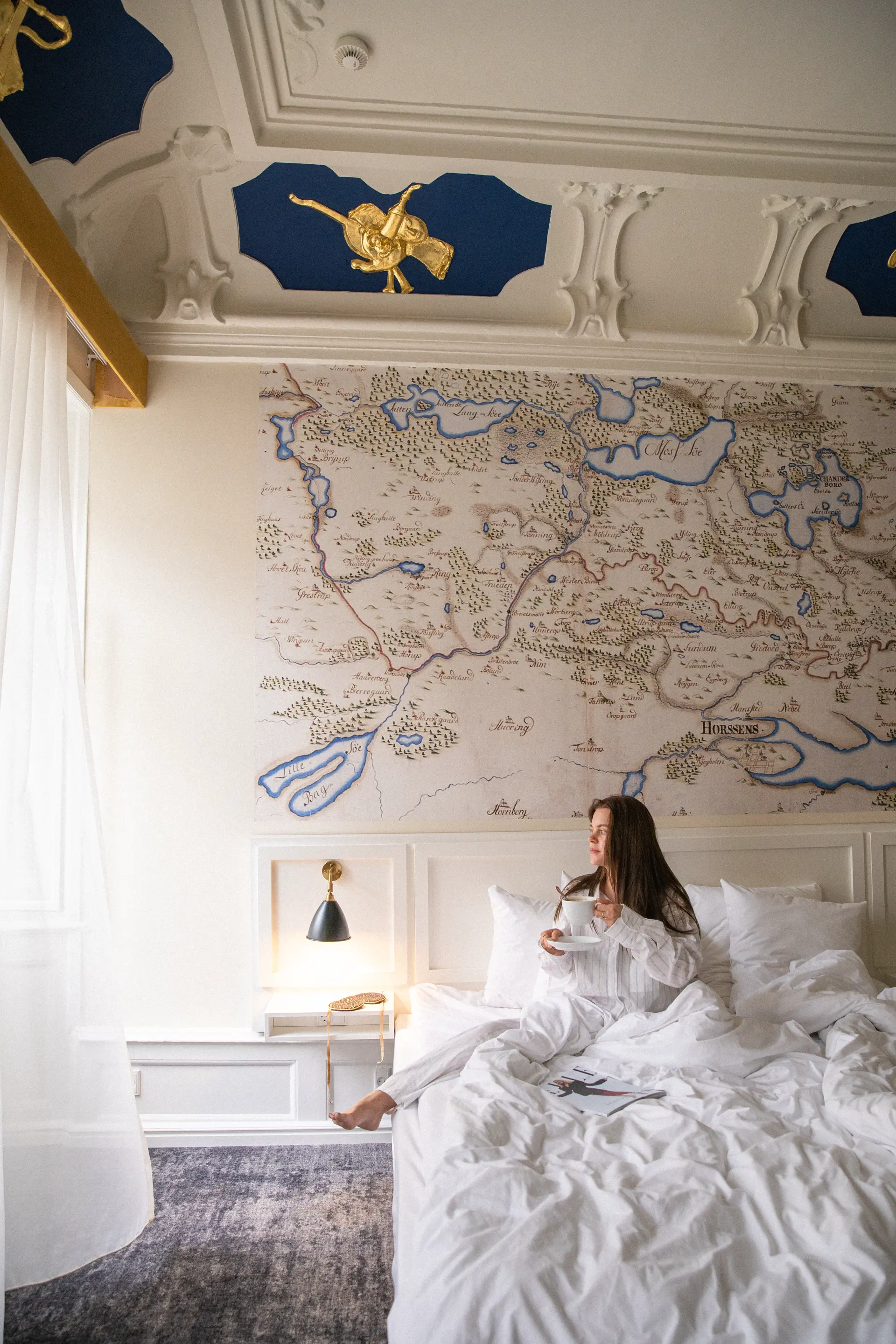
Lichtenberg exhibited his success and wealth in the palace and decorated it with a splendour that was rarely seen in a Danish market town. Beautiful painted ceilings, fine cabinets, private art chamber, hundreds of silver and gold objects, a rich library and in the King’s Chamber, which today is home to the Royal Suite, a collection of rare magnificent weapons.

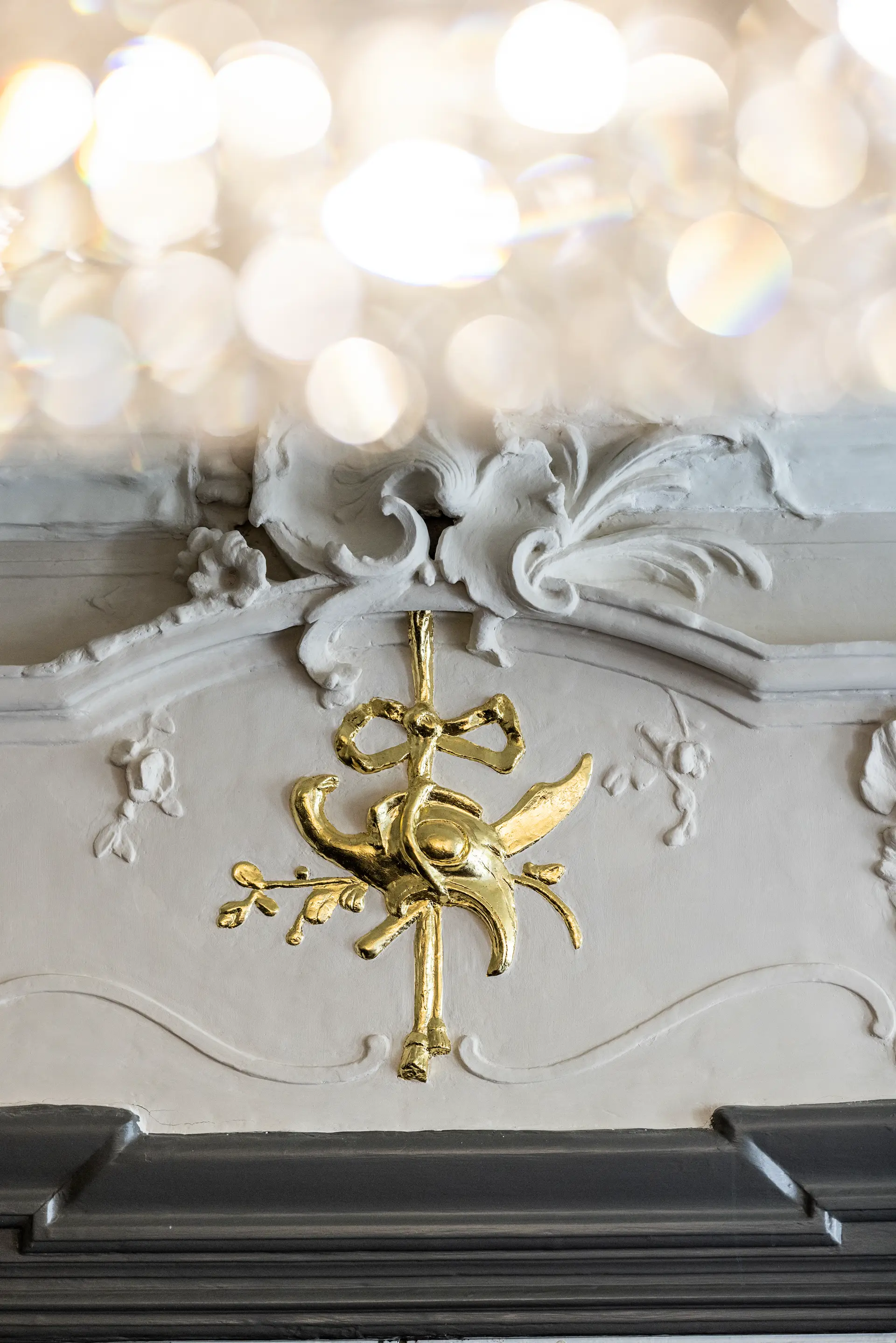
The adjacent ballroom featured a decorative stucco, adorned with ornaments in leaf gold and Prussian blue, where today rooms 102, 103 and 104 can be found with intact and restored stucco and paintings.

Our Philosophy

King Frederik V

No expense was spared on Denmark’s now widest pedestrian street, and the Lichtenberg Mansion enjoyed royal visits as well. King Frederik V stayed here in 1749, honoring Lichtenberg by naming him an "Etatsråd" (Counselor).

Lichtenberg passed away in 1764, leaving the mansion to his widow, Bodil Hofgaard de Lichtenberg, who outlived him by 30 years. Preferring their large estates, the family sold the mansion in 1813, and it was transformed into an inn.

At a glance

A historic castle hotel with Danish heritage

1744
Year built
59
Unique rooms
1
Restaurant
1
Wine bar
6
Room categories
1
Royal Suite
280+
Years of hospitality
2
terraces

Jørgensens Hotel timeline

  • 1697

    Gehrdt de Lichtenberg is born into a wealthy merchant family.

  • 1744

    Lichtenberg rebuilds the family merchant house at Søndergade 17 in Baroque style – today known as Det Lichtenbergske Palæ.

  • 1749

    King Frederik V stays overnight at the mansion and appoints Lichtenberg to the Council of State.

  • 1764

    Gehrdt de Lichtenberg passes away, leaving the mansion to his widow, Bodil.

  • 1813

    Lichtenberg’s descendants sell the mansion, which is later converted into an inn.

  • 1820

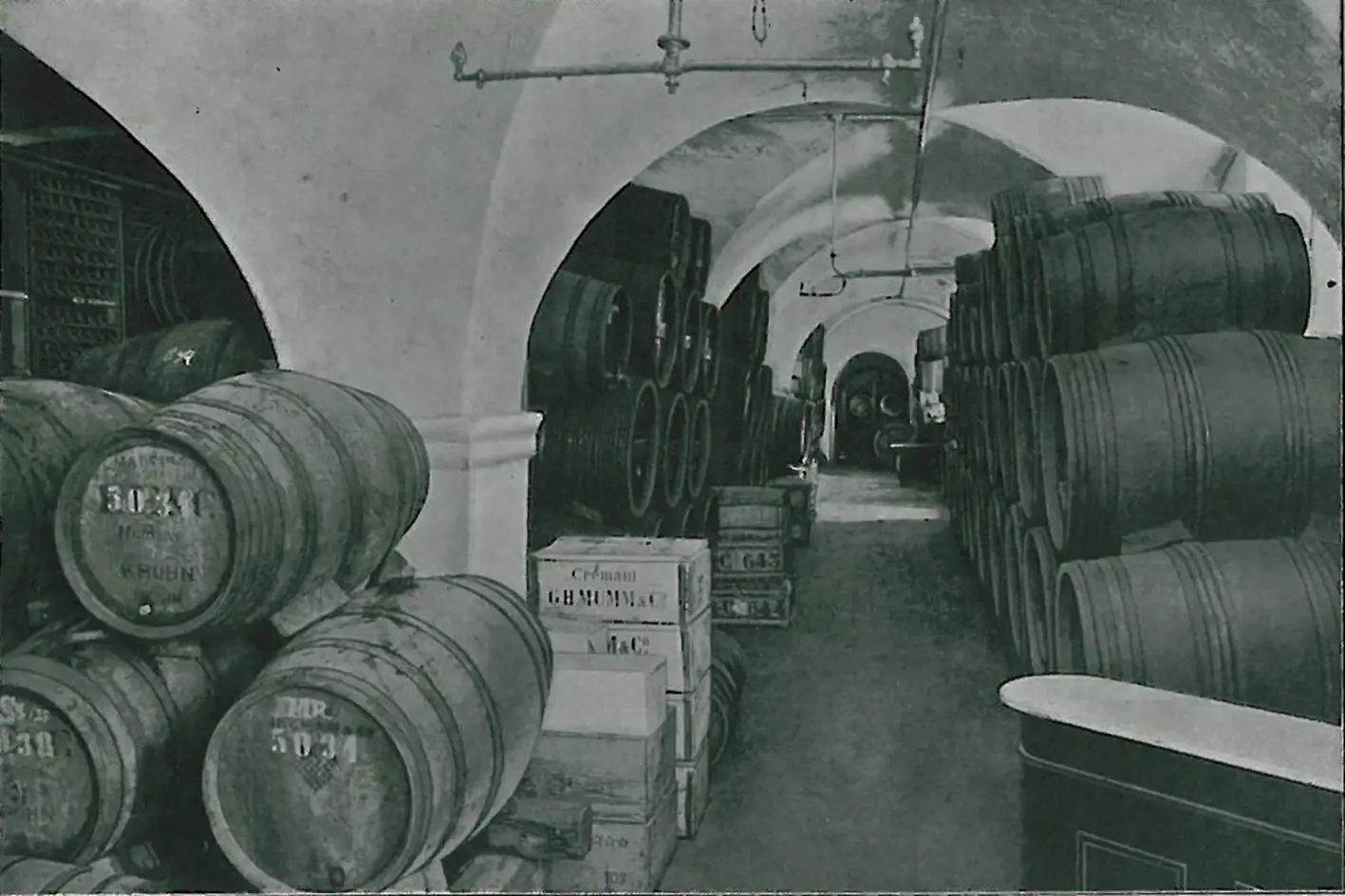
    Kjeld Thomasen founds Kjeldsen’s Wine Store in the cellar beneath Søndergade 17.

  • 1843

    Anders Jørgensen acquires the inn, expands it and opens Jørgensens Hotel.

  • 1887

    The brothers Evald and Peter Eyde take over the wine business and develop it further.

  • 2018

    The concept of Byens Hotel is born, and an extensive restoration of the mansion begins.

  • 2020

    Jørgensens Hotel reopens as a modern boutique hotel rooted in history, gastronomy and local character.

Experience Jørgensens Hotel

A historic boutique hotel where timeless elegance, warm hospitality and refined gastronomy come together in the heart of Horsens.